


Otoplasty New Jersey
To set prominent ears closer to the head, or reduce the large ears, Ear Surgery (Otoplasty) can be performed. Ear surgery and ear pinning can help ears that stick out or that appear to be overly large.
This procedure is performed at any age and on children commonly after the age of 3 when 85% of the ear is grown. There are not additional risks for doing it at a later age. Most people choose to have it done at an earlier age to avoid teasing of the child.
Click here to see select before and after photos of Dr. Weinstein’s Otoplasty cases.
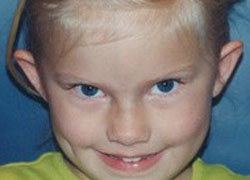
Before

After
*Results May Vary
Are there any risks to Ear Surgery?
Complications from an ear surgery are usually minor and very rare. However, like any operation, there are risks involved with this procedure. These risks include:
- Developing a blood clot on the ear. This can be drawn out with a needle, or it might dissolve naturally.
- Infection in the cartilage, causing the formation of scar tissue. These infections are rare and generally prevented by sterile gentle technique and antibiotics.
- Recurrence of the ear deformity.
- Asymmetry
Although there are risks involved, Dr. Weinstein’s success rate for Otoplasty or ear pinning is 99%.
How should I prepare for an Otoplasty?
Many surgeons recommend that parents should be aware of their child’s feelings when bringing up the topic of protruding ears. It is recommended that parents should not insist on the surgery unless their child wants the change. Children are usually more cooperative during the procedure and happier with the results if they want the surgery.
Your child’s condition will be evaluated by Dr. Weinstein in the initial consultation-or your condition, if you are having the surgery. He will recommend the technique that will be most effective and give you instructions on how to best prepare for surgery.
The Ear Surgery Procedure
The procedure is performed with general anesthesia, if your child is young, or with local anesthesia for children and adults. It usually takes about one to three hours to complete the procedure. The procedure goes as follows:
- Behind the ear, an incision is made so that the cartilage may be folded or sculpted. Stitches are then used to maintain the shape and close the incision. The concha or cup may be partially removed.
- To make the ear lie flat, a fold may be created in the cartilage.
Is there any visible scarring from Otoplasty?
Ear surgery may leave a scar on the back of the ear, but it will fade over time. If only one ear appears large, surgery maybe done on both or just the one to improve symmetry and balance.
How long is recovery from Ear Surgery?
A few hours after surgery, most patients are usually up and about. Their head will be wrapped with a bandage to promote healing and molding. There may be some discomfort in the ears, but this can be addressed with medication.
After a few days, the bandages are replaced with a lighter head dressing, like a headband. This should be worn according to Dr. Weinstein’s instructions. In about a week, stitches are removed or will dissolve.
You should avoid any activity that might bend the ear for the first month or so. Adults can return to work after five days and children can return to school after seven days. It would be a good idea to ask your child’s teacher to keep an eye on your child for a few weeks.
Natural-Looking Ears
Most patients are very pleased with their results. If you want to have more natural looking ears and have realistic expectations, talk with Dr. Weinstein to discuss your options for an ear surgery.
Request A Consultation






Office Hours
Monday: 9am-6:30pmThursday: 9am-5:30pm
To make an appointment 9-5 everyday.
Please email us for an appointment 24/7 or call our office and leave a message for our staff that will be returned the next business day.
Phone: 908-879-2222
Holiday Hours
Closed: Labor Day
Closed: Memorial Day