


Breast Lift
Many women come into our office hoping to have perkier breasts. Doctor Weinstein has performed many breast lifts and can reverse the effects on the breasts left behind from nursing, pregnancy, gain or loss of weight, or gravity. Over the years, it is normal for the breasts to lose their elasticity, firmness and shape, causing them to sag. A breast lift, also known as a mastopexy, is a procedure to reshape and raise sagging breasts. If you have smaller breasts or they have lost their volume, a breast lift can also be done with a breast augmentation where implants are inserted to increase the breast’s size and firmness.
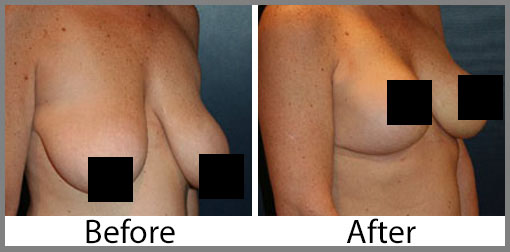
*Results May Vary
Click here to see select before and after photos of Dr. Weinstein’s Breast Lift cases.
Who is a candidate for a breast lift?
Women who are healthy and have realistic expectations about surgery are the best candidates for a breast lift. Those with small and sagging breasts usually achieve the best results, but breasts of any size may be lifted.
Are there any risks of breast lift surgery?
Every surgery comes with some risk, however, Doctor Weinstein has been performing breast lifts for many years and will answer any concerns you may have. Some of the risks or side effects include:
- Bleeding and infection may occur after the surgery, but this is uncommon.
- There are no risks that affect future pregnancies, but if you are planning on having more children, it is best to wait until after you are done having children so that pregnancy does not stretch out your breasts again.
- There will be scars that are visibile and may be noticeable. However, they will be covered with your bra or swimming suit.
- There may be a change in sensation in the breasts, and in very rare cases, there can be a loss of sensation in the nipples or the breasts.
What happens in the breast lift consultation?
In the initial consultation, you will be able to discuss your expectations with Doctor Weinstein. He will answer any questions you may have and help you choose the procedure that best suit you and your body.
Then, Doctor Weinstein will examine your breasts. After he measures you, he will discuss with you the factors that may affect your procedure, such as age, skin condition, size and shape of your breast, and whether an implant is recommended.
He will let you know of all of the risks and limitations of the surgery and provide you with alternatives. Feel free to relay any questions or concerns that you may have about your expectations or results.
What happens on the day of breast lift surgery?
You will receive specific instructions about what you can eat or drink, and what medicines you should avoid that day. Depending on your family history or age, Dr. Weinstein may advise you to have a mammogram before your surgery. Make sure that you have someone to drive you home after your surgery, and you may want them to help you out for the few days following.
Your breast lift will be performed as an outpatient procedure in either the Morristown Medical Center in Morristown, New Jersey, or at our Chester Surgery Center facility in Chester, New Jersey.
How is the breast lift surgery performed?
The procedure is usually performed under general anesthesia or local standby anesthesia with sedation so you will be asleep or very comfortable through the whole operation. A breast lift usually takes one to three hours. There are several different techniques for how the mastopexy may be performed:
- Anchor-shaped Incision: This is the most common technique where the incision is made to follow the natural contour of the breast.
- Crescent Lift: This incision removes a crescent ellipse of skin above the areola
Cirumareolar incision: This incision is slightly more involved and goes all the way around the areola to lift the location of the nipple. - Lollipop incision: This incision goes around and under the areola down to the fold underneath the breasts.
Doctor Weinstein will recommend the technique that will give you the best results.
The classic technique of a breast lift requires an incision that outlines the area for breast skin to be removed and then defines the new location of the nipple. Once the excess skin is removed, the nipple and areola are lifted to a higher position. The skin that surrounded the areola is then brought down and met together to reshape the breast. Stitches are made around the areola and in a vertical line extending beneath the nipple area to the lower crease of the breast. After the procedure is over, the breasts will be higher and firmer.
What happens after breast lift surgery?
After surgery your breasts will be swollen, bruised or uncomfortable for the next few days. Any pain or discomfort you have can be relieved with medications that Dr. Weinstein will prescribe. Healing is a gradual process. Do not plan on returning to work for at least a few days. You should avoid lifting anything over 20 pounds for three to four weeks.
Detailed instructions will be given to you by Doctor Weinstein for when you should resume normal activities. You will wear a surgical bra or elastic bandage over your gauze dressings. After a few days, they will be replaced by a soft support bra. This bra should be worn constantly for three to four weeks over the layer of gauze. After a week or two, the stitches maybe removed.
Loss of feeling in your breast skin or nipples is normal and caused by the swelling following surgery. The numbness will fade away over the next six weeks. However, in some patients it may last up to a year, and in rare cases, you may not regain sensation at all.
Feel free to call Dr. Weinstein if you have any questions or unusual symptoms.
Click here to see select before and after photos of Dr. Weinstein’s Breast Lift cases.
Your New Look
Your satisfaction will be greater if your expectations are realistic and you understand the procedure. Keep in mind that the effects of a breast lift won’t stay forever, gravity, pregnancy and aging may take their toll again. However, women who also get implants will find that their results last longer. You will love your new look and be very satisfied with the results that you receive from Doctor Weinstein.
Before & After Photo
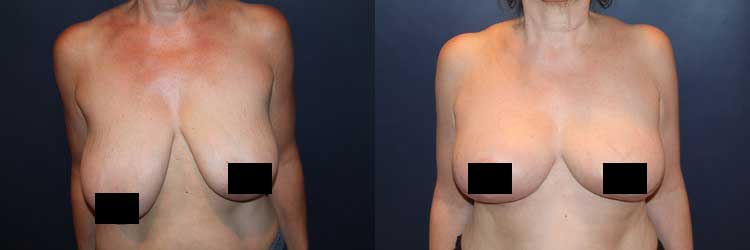
56 year old complaining of bilateral breast ptosis and asymmetry. 6 months postoperative Mastopexy
To learn more about Weinstein Plastic Surgery Center and the services we offer, please call 908-879-2222 or click here.
Request A Consultation





Office Hours
Monday: 9am-6:30pmThursday: 9am-5:30pm
To make an appointment 9-5 everyday.
Please email us for an appointment 24/7 or call our office and leave a message for our staff that will be returned the next business day.
Phone: 908-879-2222
Holiday Hours
Closed: Labor Day
Closed: Memorial Day